Skip to content

Solar

Why solar energy is the best option for powering the future

Imagine a world where every appliance, factory and vehicle runs on an abundant, affordable and renewable fuel. Solar power is making that reality—today. This 2025 update explains how solar works, why its efficiency keeps rising and what it means for our wallets, our climate and the global economy.

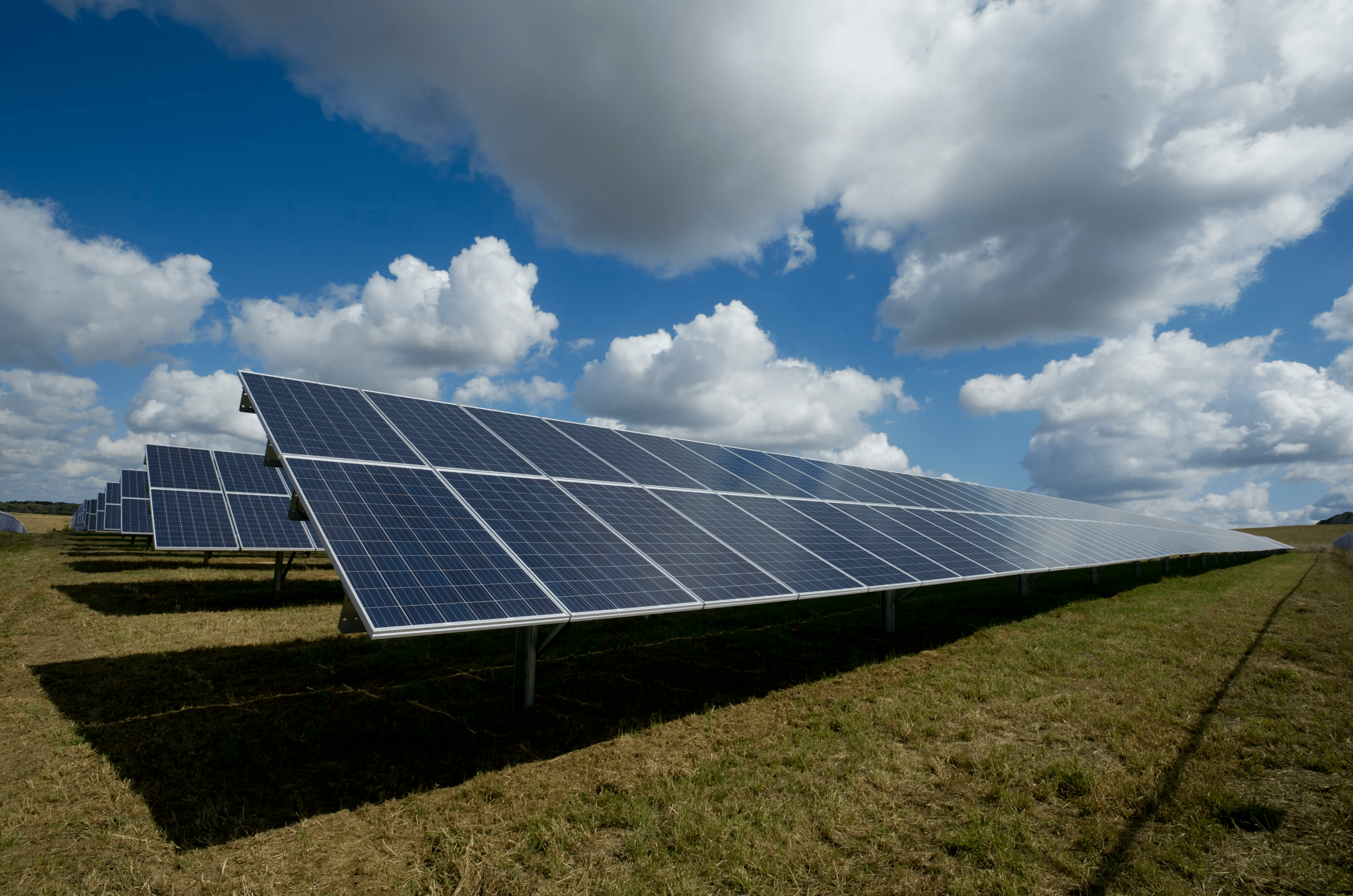
Ground-mounted solar array

Rooftop solar subsidies in India 2025 – Complete Guide

India keeps promoting rooftop solar through a mix of central and state incentives. This guide lists every major 2025 rooftop solar subsidy for homes and businesses, with official sources so you can claim the right benefit.

Residential Sector

Central CFA under PM Surya Ghar

System size Subsidy rate Maximum payout
Up to 2 kW ₹30,000 per kW –
Third kW ₹18,000 –
3 kW and above Subsidy capped ₹78 000

Subsidy is credited to the homeowner’s bank account after installation approval via the national MNRE portal.

Central CFA works with net-metering in most states, letting you earn bill credits for extra solar units.

State-level extras for homes

State Capital subsidy Generation-based incentive Source
Delhi ₹10,000 / kW (max ₹30,000) ₹3 / kWh for ≤3 kW, ₹2 / kWh for 3–10 kW Delhi Solar Portal
Maharashtra none (CFA only) none MSEDCL i-SMART
Tamil Nadu ₹20,000 / kW optional GBI in select phases TEDA
Assam about 40 % of cost – AEDA
Goa 40 – 50 % of cost – GEDA
Gujarat ₹10,000–₹20,000 / kW* – GEDA
Uttar Pradesh ₹15,000 / kW (max ₹30 000) – UPNEDA

*Awaiting new 2025 policy. Check GEDA circulars for updates.

Need help? See our installation process guide for timeline and document tips.

Commercial and Industrial Sector

Businesses do not get CFA. Instead they save through tax and policy levers:

Incentive Details Benefit
Accelerated depreciation 40 % in year 1 under Income-Tax Section 32 Cuts taxable income, shortens pay-back
Net / gross metering Allowed in most states, export credits carry 12 months Reduces power bills, adds revenue
GST input credit Solar supply attracts blended 13.8% GST ITC recoverable for businesses

State policies can add GBIs, banking, or wheeling charge waivers. Example: Delhi pays ₹1 / kWh GBI for early C&I adopters up to 200 MW.

How to claim your subsidy

  1. Choose an MNRE-approved vendor or refer to VaySolar's pre-vetted list of shortlisted vendors.
  2. Apply on national portal with Aadhaar, bank details, and property papers.
  3. Install and get inspected. Vendor uploads photos and test reports.
  4. Subsidy disbursal arrives in 30-90 days after MNRE verifies documents.

For state top-ups, apply on the respective DISCOM or energy-department portal.

Frequently asked questions

Can I get both central and state subsidies?
Yes. Central CFA plus any state capital subsidy or GBI, subject to that state’s rules.

Does subsidy apply to batteries?
No. CFA covers solar panels, inverter, mounting, and wiring only.

Do I pay tax on the subsidy?
Current Income-Tax rules treat residential CFA as a price discount, not taxable income.

Sources and verification

  • PM Surya Ghar scheme guidelines – MNRE, May 2025
  • Delhi Solar Policy 2023 documents
  • TEDA order No. 34/2025 for Tamil Nadu subsidy
  • MSEDCL i-SMART user manual (Mar 2025)

Last updated: 17 June 2025
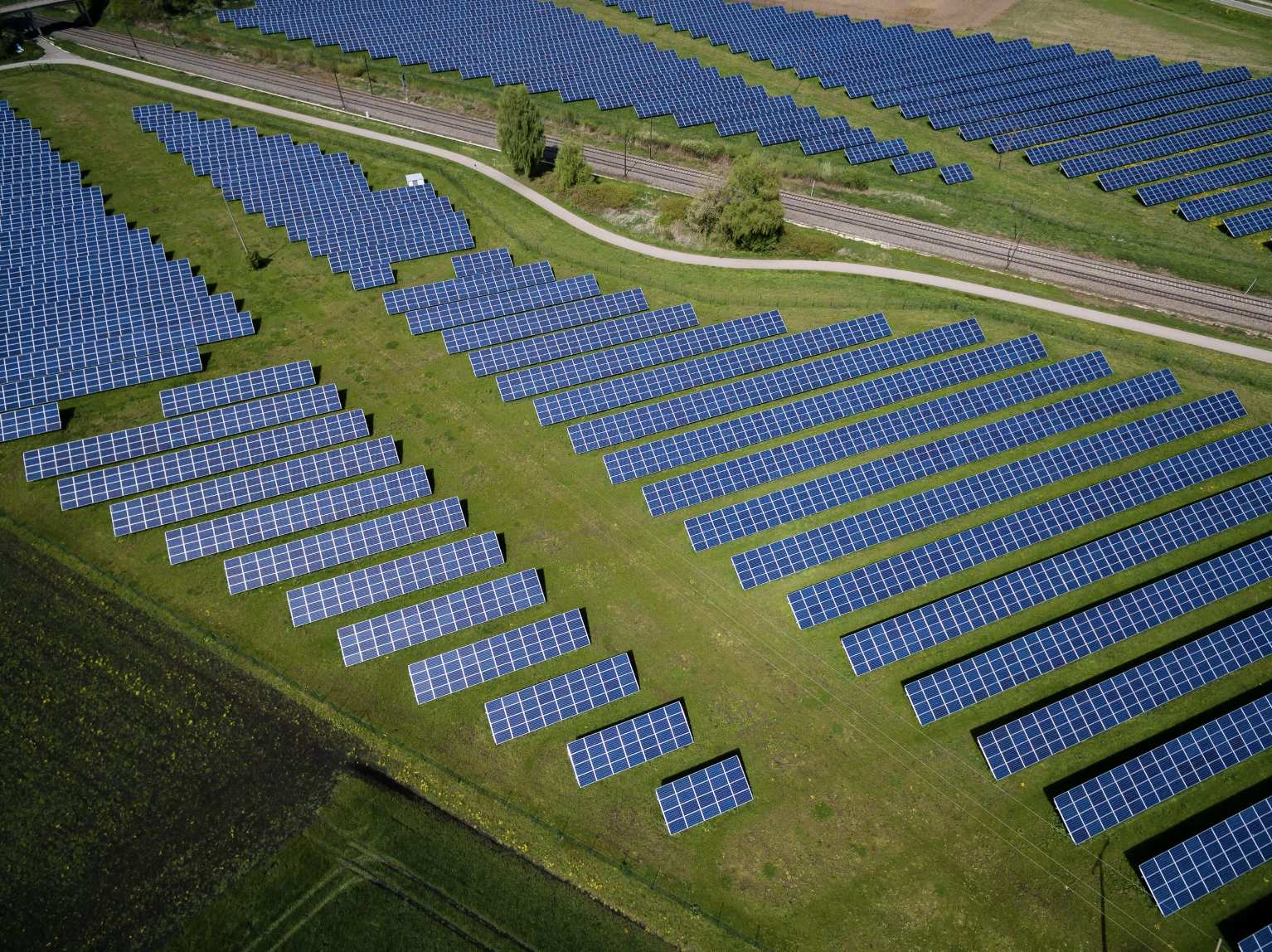
Best 5kW rooftop solar system for Delhi NCR homes – A scientific guide

Delhi NCR’s scorching summers, winter haze and heavy dust mean solar performance can vary a lot by season. Delhi sees average highs near 38–40 °C in summer (even above 45 °C in heatwaves), and frequent fog or smog in winter. Studies show Delhi’s pollution cuts panel output ~12–17% in haze. NASA-based data (Delhi: lat 28.7° N) finds typical rooftop PV yields ~5.7 kWh/kW-day in summer, ~3.7 in winter, with an ideal fixed tilt around 26°. Dust storms and monsoon rains also block sun. These local factors make equipment choice critical: high heat or dirt can throttle cheap systems, so ignore brand hype and focus on the actual numbers.

We're here to help

Delhi electricity bills in 2026: How to understand and reduce them for independent homeowners

For people with families living in independent houses or top-floor residences in Delhi, electricity bills often account for a major part of monthly household expenses. In 2026, understanding how your electricity bill is structured and how to reduce it is crucial if you're managing a home.

Let’s break down the key components of your electricity bill and explore smart ways to reduce it, especially through solar energy and subsidy optimization.

Solar Panel Batteries - Setup, Maintenance, and Everything Else!

Solar energy, in particular, is becoming increasingly important because it is environmentally friendly and readily available. In addition to lowering energy costs and promoting power independence, solar energy also fights global warming and lessens dependence on fossil fuels. Any solar power system must have solar panel batteries because they provide electricity even without sunlight, lowering energy costs and guaranteeing dependable backup during blackouts.

Solar-Panel-Batteries-Setup-Maintenance-Cost

How Does Solar Technology Actually Work?

Solar technology works on the simple principle of Photovoltaic effect. Sunlight contains photons. When they fall on a semiconductor like Silicon, the solar radiation frees electrons of the semiconductor. This creates an electric field which in turn produces electricity. Light's use for electricity was first applied when Bell Labs invented the Photovoltaic (PV) cell in 1954.

Variations for Productivity And Natural
Resourcess

Solar technology uses sunlight (solar) and heat (thermal) energies of the Sun. We will discuss the mechanism behind each.

The Urgency of Green Buildings

It's a prettier world with lesser buildings. At least, the birds will find more trees to land on them. India's urban population stands at 493 million today and an additional 300 million are expected to arrive by 2050. This means buildings and other infrastructure will continue to expand.

Last year, the country was filled with 40.6 billion tonnes of carbon. As this creates rainfall disturbances and long periods of heat waves, India may see large rural-to-urban migrations as the agriculture sector plummets. In 2022, roughly 1.8 million hectares of soil were affected.